

/https%3A%2F%2Fprofilepics.canalblog.com%2Fprofilepics%2F1%2F0%2F100183.jpg)
/https%3A%2F%2Fstorage.canalblog.com%2F03%2F02%2F119589%2F96711876_o.jpg)
/https%3A%2F%2Fstorage.canalblog.com%2F11%2F31%2F119589%2F94773502_o.jpg)
/https%3A%2F%2Fstorage.canalblog.com%2F20%2F83%2F119589%2F94772815_o.jpg)
/https%3A%2F%2Fstorage.canalblog.com%2F26%2F72%2F119589%2F75604929_o.jpg)
/https%3A%2F%2Fstorage.canalblog.com%2F59%2F60%2F119589%2F26458628_o.jpg)
National Geographic Photo Ark exhibition opens at the Bruce Museum
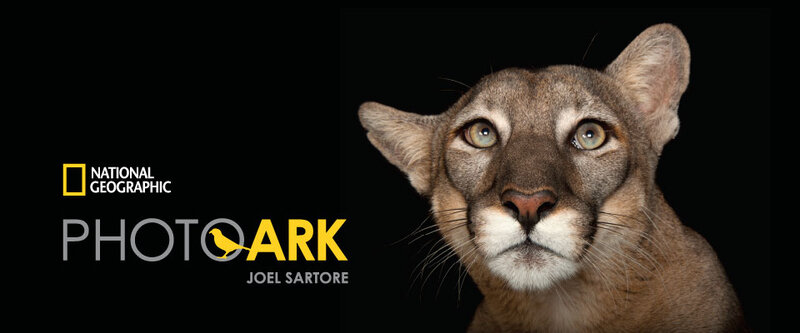
GREENWICH, CONN.- The traveling National Geographic exhibition, “National Geographic Photo Ark,” opens at the Bruce Museum in Greenwich, CT, on June 2, 2018. Featuring the work of National Geographic photographer and Fellow Joel Sartore, the exhibition will be on display until September 2, 2018.
The National Geographic Photo Ark is an ambitious project committed to documenting every species in the world’s zoos and wildlife sanctuaries—inspiring people not just to care, but also to help protect these animals for future generations. In addition to creating an archival record for generations to come, this project is a hopeful platform for conservation and shines a light on individuals and organizations working to preserve species around the world.
National Geographic is showcasing this important project through multiple platforms, including the traveling “National Geographic Photo Ark” exhibition organized by the National Geographic Society and Omaha’s Henry Doorly Zoo and Aquarium.

Augustine, a mother koala with her young ones Gus and Rupert (one is adopted and one is her own offspring) at the Australia Zoo Wildlife Hospital. © Photo by Joel Sartore/National Geographic Photo Ark.
Sartore estimates the completed National Geographic Photo Ark will include portraits of more than 12,000 species representing several animal classes, including birds, fish, mammals, reptiles, amphibians and invertebrates. In what will be the largest single archive of studio-quality photographs of biodiversity ever, the National Geographic Photo Ark continues to move toward its goal of documenting these species in captivity, thanks in part to Sartore’s enduring relationships with many of the world’s zoos and aquariums. These iconic portraits have captured the imagination of people around the world and have even been projected on the Empire State Building and St. Peter’s Basilica in Rome.
The Photo Ark exhibition at the Bruce will highlight more than 50 of Sartore's most compelling images and provide visitors with the unique opportunity to come face to face with animals from the National Geographic Photo Ark. Sartore has worked in more than 250 zoos, aquariums and animal rescue centers around the world. To date, he has completed intimate portraits of nearly 8,000 species.

“The National Geographic Photo Ark has already inspired millions around the world with the message that it is not too late to save some of the world’s most endangered species,” says Kathryn Keane, Vice President of Exhibitions, National Geographic Society. “Joel Sartore has demonstrated what one man can do using the power of photography—and now National Geographic wants to inspire people all over the country to contribute to this global challenge.”
"These images are by turns breathtaking, amusing, and poignant,” says Dr. Daniel Ksepka, Curator of Science at the Bruce Museum. “We hope visitors will both enjoy the splendor of nature's diversity and leave with an appreciation of how many of these species are imperiled. We live in an era when 8,000 vertebrate species are considered to be threatened with extinction, and perhaps looking these creatures in the face will create a sense of urgency for conservation."

Coyote puppies (Canis latrans) at Nebraska Wildlife Rehab. © Photo by Joel Sartore/National Geographic Photo Ark.
The exhibition is accompanied by two National Geographic books, The Photo Ark (National Geographic Books; $35), Birds of the Photo Ark (National Geographic Books, $30), and a children’s book, Animal Ark (National Geographic Kids Books; $15.99). National Geographic Photo Ark fans are also invited to join the conversation on social media with #SaveTogether and learn more about how to get involved with the project at NatGeoPhotoArk.org. The PBS documentary “Rare: Creatures of The Photo Ark,” a production of WGBH Boston and So World Media, LLC in association with National Geographic Channels, debuted in July 2017 and is now available for streaming online at pbs.org/wgbh/rare.

A federally endangered Florida panther (Puma concolor coryi) named Lucy at Tampa’s Lowry Park Zoo. © Photo by Joel Sartore/National Geographic Photo Ark.

A captive, five-month-old mandrill (Mandrillus sphinx) in Malabo, Equatorial Guinea. IUCN: Vulnerable. © Photo by Joel Sartore/National Geographic Photo Ark.

Rajah, an endangered, male white Bengal tiger (Panthera tigris tigris) at Alabama Gulf Coast Zoo. © Photo by Joel Sartore/National Geographic Photo Ark.

A female, vulnerable African elephant (Loxodonta africana) at the Cheyenne Mountain Zoo. © Photo by Joel Sartore/National Geographic Photo Ark.

An endangered Malayan tiger, Panthera tigris jacksoni, at the Omaha Zoo. © Photo by Joel Sartore/National Geographic Photo Ark.

A half-day-old hatchling leatherback turtle (Dermochelys coriacea) from the wild in Bioko. This species is listed as critically endangered by IUCN, and federally endangered (US). © Photo by Joel Sartore/National Geographic Photo Ark.

A three-month-old baby chimpanzee (Pan troglodytes) named Ruben at Tampa’s Lowry Park Zoo. Listed as endangered (IUCN) and federally endangered. © Photo by Joel Sartore/National Geographic Photo Ark.

A veiled chameleon (Chamaeleo calyptratus) at the Rolling Hills Wildlife Adventure. © Photo by Joel Sartore/National Geographic Photo Ark.

A vulnerable baby white-bellied pangolin (Phataginus tricuspis) clings to her mother’s back at a facility in Florida. At just 70 days old, this captive-born baby was a first in captivity! This vulnerable species, like many other pangolin species, is illegally taken from the wild. Unfortunately, it is falsely believed that the protective keratin scales have curative properties. © Photo by Joel Sartore/National Geographic Photo Ark.

A red fan parrot (Deroptyus accipitrinus accipitrinus) at the Houston Zoo. © Photo by Joel Sartore/National Geographic Photo Ark.

An endangered (IUCN) and federally endangered snow leopard (Panthera uncia) at the Miller Park Zoo. © Photo by Joel Sartore/National Geographic Photo Ark.

An endangered baby Bornean orangutan, Pongo pygmaeus, named Aurora, with her adoptive mother, Cheyenne, a Bornean/Sumatran cross, Pongo pygmaeus x abelii, at the Houston Zoo. © Photo by Joel Sartore/National Geographic Photo Ark.

A southern three-banded armadillo (Tolypeutes matacus) at the Lincoln Children’s Zoo. © Photo by Joel Sartore/National Geographic Photo Ark.

An endangered Coquerel’s sifaka at Lemuria Land in Madagascar. © Photo by Joel Sartore/National Geographic Photo Ark.

A brown-throated sloth (Bradypus variegatus) at the PanAmerican Conservation Association in Gamboa, Panama. © Photo by Joel Sartore/National Geographic Photo Ark.

A Brazilian porcupine (Coendou prehensilis) at the Saint Louis Zoo. © Photo by Joel Sartore/National Geographic Photo Ark.

A West Usambara two-horned chameleon (Kinyongia multituberculata) at the Houston Zoo. © Photo by Joel Sartore/National Geographic Photo Ark.

A vulnerable Syrian brown bear (Ursus arctos syriacus) at the Budapest Zoo. © Photo by Joel Sartore/National Geographic Photo Ark.

A curl-crested aracari (Pteroglossus beauharnaesii) at the Dallas World Aquarium. © Photo by Joel Sartore/National Geographic Photo Ark.

A vulnerable (IUCN) and federally threatened loggerhead sea turtle (Caretta caretta) at the Riverbanks Zoo, Columbia, South Carolina. © Photo by Joel Sartore/National Geographic Photo Ark.

A six-day-old Malayan tapir, Tapirus indicus, at the Minnesota Zoo. This species is listed as endangered (IUCN) and federally endangered. © Photo by Joel Sartore/National Geographic Photo Ark.

Mei Lun and Mei Huan, the twin giant panda cubs (Ailuropoda melanoleuca) at Zoo Atlanta. © Photo by Joel Sartore/National Geographic Photo Ark.

Geoffroy’s tufted-ear marmoset (Callithrix geoffroyi) at the Cleveland Metroparks Zoo. © Photo by Joel Sartore/National Geographic Photo Ark.

A critically endangered (IUCN) and federally endangered California condor (Gymnogyps californianus) at the Phoenix Zoo. © Photo by Joel Sartore/National Geographic Photo Ark.

Two koala joeys cling to each other, waiting to be placed with human caregivers. Once they’re old enough, they’ll be released into the wild. © Photo by Joel Sartore/National Geographic Photo Ark.

A bald eagle (Haliaeetus leucocephalus) named Bensar at the George M. Sutton Avian Research Center. © Photo by Joel Sartore/National Geographic Photo Ark.

A critically endangered sumatran orangutan, Pongo abelii, at the Gladys Porter Zoo in Brownsville, TX. © Photo by Joel Sartore/National Geographic Photo Ark.

A sunbittern (Eurypyga helias ) at the Cincinnati Zoo. © Photo by Joel Sartore/National Geographic Photo Ark.

A St. Andrew beach mouse (Peromyscus polionotus peninsularis), a federally endangered rodent, in Panama City, FL. This and several other beach mice subspecies are imperiled due to beach development. (US: Endangered). © Photo by Joel Sartore/National Geographic Photo Ark.

A young female snowy owl, Bubo scandiacus. © Photo by Joel Sartore/National Geographic Photo Ark.

South Georgia king penguins (Aptenodytes patagonicus patagonicus) at the Indianapolis Zoo. © Photo by Joel Sartore/National Geographic Photo Ark.

A federally endangered Mexican gray wolf (Canis lupus baileyi) at the Wild Canid Survival and Research Center. © Photo by Joel Sartore/National Geographic Photo Ark.

An endangered Indian rhinoceros female with calf (Rhinoceros unicornis) at the Fort Worth Zoo. © Photo by Joel Sartore/National Geographic Photo Ark.


/http%3A%2F%2Fstorage.canalblog.com%2F02%2F75%2F119589%2F97655893_o.jpg)
/image%2F1371349%2F20260814%2Fob_0c789a_telechargement.jpg)
/image%2F1371349%2F20260814%2Fob_f3fffb_770886458-2320211552082184-81227025763.jpg)
/image%2F1371349%2F20260813%2Fob_88eec5_772929666-2319625142140825-62068689842.jpg)